Does Menopause Cause Urinary System Incontinence?
The Effect Of Hormonal Agent Treatment On Urinary System Incontinence
Several women also benefit from making use of encouraging urinary incontinence items to remain comfy and positive throughout day-to-day tasks. Pads, linings, safety undergarments, and other incontinence supplies can assist manage leak while ladies seek therapy and signs and symptom administration methods. Before menopause, estrogen helps shield the lining of the vaginal canal and stimulates vaginal secretions, giving the vaginal wall surfaces elasticity and strength.From Postpartum To Postmenopause: The Discussions Ladies Need To Have
Menopause And Urinary Incontinence: Reasons, Therapies, And Alleviation Methods For 2025
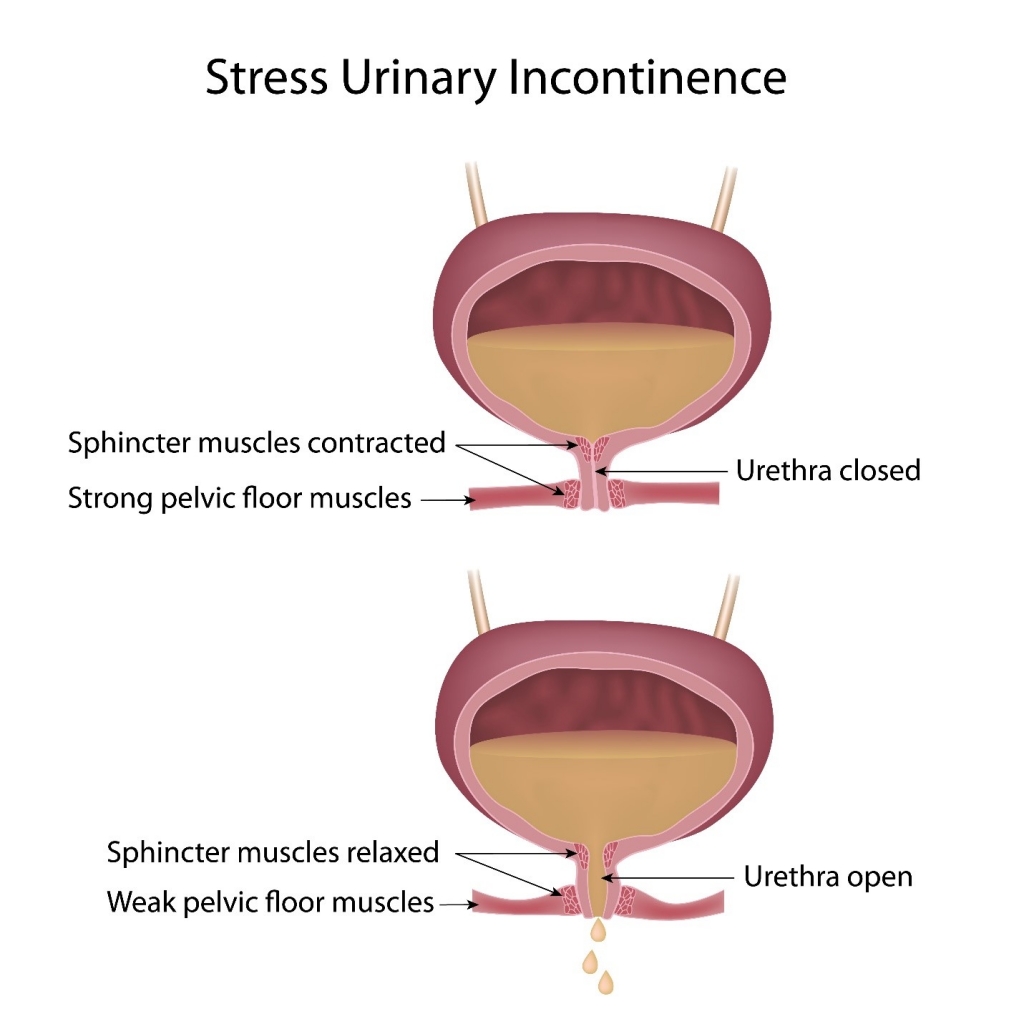
The research designs comprised five cross-sectional analyses [11,15-17,19], four retrospective cohort studies [10,13,18,20], one quasi-experimental examination [12], and one possible cohort research study [14] Geographically, 2 researches were performed in Australia [10,18], two in the USA Urethral insert [13,16], and one each in India [11], Egypt [12], Thailand [14], Spain [15], Japan [17], China [19], and Belgium [20] You might need to continue doing Kegel exercises for the rest of your life. Also if your signs enhance, urinary incontinence can return if you quit doing the workouts. Any kind of weak point or damages to the urethra in a lady is more likely to trigger urinary system incontinence. This is due to the fact that there is much less muscle mass keeping the pee in till you are ready to pee.Initially, low testosterone can contribute to a loss of muscular tissue mass, including the weakening of the pelvic flooring muscle mass, which raises the threat of urinary system incontinence. Later on in life, the radical decrease in estrogen during menopause creates the cells of the urethra and bladder lining to end up being thinner, drier, and much less elastic. Since the pelvic flooring is no longer as strong, the everyday sensation of bladder stress really feels far more intense. This typically causes stress incontinence (dripping when coughing or chuckling) or an overactive bladder that requires immediate, urgent restroom journeys.
This decrease in estrogen causes many of the menopausal signs Additional resources and symptoms you've become aware of, but it additionally causes the vaginal cells to become much less flexible and thin and can damage your pelvic floor muscle mass. Research study indicates that a considerable portion of postmenopausal women experience some kind of UI. According to researches, prevalence rates can vary from 25% to over 50% in this market, emphasizing the demand for increased understanding and understanding of the concern.Locate A Menopause Service Provider That Gets It

- Individuals who are experiencing incontinence must never be reluctant to seek clinical suggestions.
- Tension urinary incontinence makes up the most prevalent type of urinary system incontinence.
- The bladder is a balloon like muscle mass that expands as it full of pee.
- Combining hormonal agent level tests with urological tests provides a clear image of the hidden issues.
- These include topical estrogen, alpha blockers, mirabegron, and anticholinergics.
The majority of the time this uncontrolled leak is a few decreases of pee, however it can end up being a full loss of control. Hormonal agents play an important function in removing waste with the urinary system and regulating organ function. Adjustments in hormonal agent degrees can affect the bladder, muscular tissues, and nerves associated with urination. These changes might result in urinary system tract infections (UTIs), urinary incontinence, or urinary system regularity.
As a matter of fact, 40-57% of postmenopasual ladies have symptoms of vaginal atrophy, and on the urinary incontinence side, more than 50% of older ladies experience it. Pelvic floor workouts, bladder training, remaining moisturized, and preserving a healthy and balanced weight can aid. Stay clear of bladder toxic irritants and speak to your doctor regarding treatment alternatives. Your pelvic flooring muscles may additionally compromise with age and less physical activity. Although periodic leakages could appear small, continuous urinary incontinence can affect your rest, self-confidence, affection, and social life. If you find yourself changing your activities or regimens due to bladder control problems, it's time to consult with a gynecologist. Anxiety Incontinence is the more usual of the two kinds, and some may consider it the much less serious version. Deteriorated muscle mass from aging can not prevent leakage of urine when a lady giggles, coughings, sneezes, or lifts hefty things.